

When you ask, What Is The Most Important Maintenance On A Circular Saw, the answer is simple: keep your blade sharp. Sharp blades give you cleaner cuts, help your saw last longer, and make every job safer. Studies show that the right bevel angle boosts cutting efficiency and keeps your tool in top shape.
What Is the Most Important Maintenance on a Circular Saw
Blade Sharpness
If you want your circular saw to work its best, you need to focus on the blade. When you ask, what is the most important maintenance on a circular saw, the answer always comes back to the blade. A sharp blade makes every cut smoother and safer. Dull blades slow you down and can even put you in danger.
You might wonder how often you should check or sharpen your circular saw blade. Here’s a handy table to help you keep track:
| Action | Frequency/Condition |
|---|---|
| Sharpening | Every 10–20 hours of use, depending on the material. Check for rounded teeth or rough cuts monthly. |
| Replacement | When the blade shows critical damage, such as missing or chipped teeth, or if it wobbles due to warping. |
| Sharpening Limit | A quality carbide blade can typically be sharpened three to five times before needing replacement. |
You don’t have to guess when your blade needs attention. Look for these signs:
- Visual Inspection: Check for rust, corrosion, or missing teeth.
- Decreased Performance: If you notice rough cuts or need to push harder, the blade may be dull.
- Sounds & Vibration: Listen for odd noises or more vibration than usual.
- Burn Marks on Wood: Burn marks mean the blade isn’t cutting well.
- Cleanliness of the Cut: If your cuts look messy or there’s too much sawdust, it’s time to check the blade.
- Check the Tips: Look at the carbide tips for chips or roundness.
When you see these signs, it’s time for sharpening the saw blade. Here’s how you can do it safely:
- Unplug your saw or remove the battery.
- Wear safety glasses and gloves.
- Remove the blade and clean it with a wire brush or soak it in a cleaner like Simple Green or denatured alcohol for about five minutes.
- Clamp the blade in a bench vise with pads to protect it.
- Mark the first tooth with a marker so you know where you started.
- Use a diamond file or sharpening stone. File each tooth at the same angle, moving in the cutting direction with light strokes.
- After sharpening, check the blade’s balance by hanging it on a nail. If it tilts, file a little more from the heavier side.
- Rub each tooth’s edge with an oil stone or sandpaper to remove burrs.
You can also use a sharpening machine if you have one. Just follow the instructions and make sure you set the right angle for your blade.
Why It Matters
You might ask, why is this so important? When you keep your circular saw blade sharp, you get clean, straight cuts every time. A sharp blade means less effort for you and less strain on your saw. Dull blades can cause the saw to overheat, which wears out the motor and the blade even faster.
A sharp blade also keeps you safe. Dull blades can grab or kick back, which can lead to accidents. When you focus on what is the most important maintenance on a circular saw, you lower the risk of injury and make your work much easier.
Cleaning the blade is just as important as sharpening. If you let pitch, sap, or rust build up, your blade will dull faster and might even corrode. Here are some cleaners that work well:
| Solvent/Cleaner | Effectiveness | Notes |
|---|---|---|
| Sodium Hydroxide / Water Solution | Best for cleaning pitch quickly | Used in soak tanks; heating speeds up cleaning |
| Easy Off Oven Cleaner | Highly effective, second to sodium hydroxide | |
| Citrus-Based Cleaners | Effective, but less so than sodium hydroxide and Easy Off | Examples: Orange Fresh, Orange Clean |
| Simple Green | Popular, effective for fresh pitch; non-toxic | Avoid long soaking to protect carbide |
| Kerosene | Good for soaking overnight; works on stubborn pitch | Suggested by blade makers |
| Denatured Alcohol | Dissolves resin quickly without harming coatings | Works in about 5 minutes |
| Baking Soda | Non-toxic; soak for a while to clean pitch | Cheap and safe |
| Coffee | Soak overnight for pitch removal | Interesting alternative |
| Formula 409 | Works well, no fumes or mess | |
| WD-40 | Used after cleaning to prevent rust; helps dissolve pitch | |
| Sudsy Ammonia | Effective for quick cleaning |
After cleaning, dry the blade and spray a little WD-40 to keep rust away. Store your blades in a dry place, and always use the right blade for the job. This simple routine will keep your circular saw running smoothly.
So, what is the most important maintenance on a circular saw? Always keep your blade sharp, clean, and ready. This habit will save you time, keep you safe, and help your saw last for years.
Looking for durable and high-performance circular saws?
Contact us for factory-direct pricing and bulk supply.
Maintenance Tips
Cleaning and Lubrication
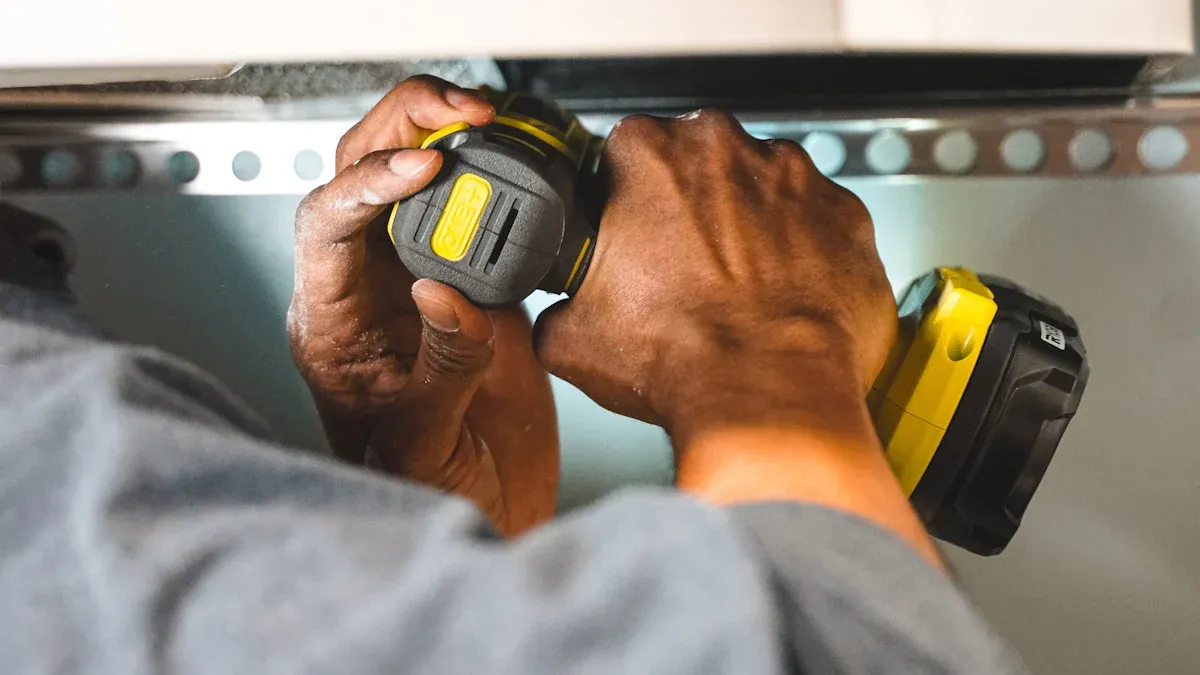
You want your circular saw to run smoothly every time. Regular cleaning is one of the best maintenance tips you can follow. After each use, wipe down the housing with a damp cloth and make sure the air vents stay clear. Remove the blade and soak it in a cleaning solution like Simple Green or WD-40 to get rid of pitch and resin. Scrub the teeth with a stiff brush, focusing on cleaning the saw blade thoroughly. For heavy use, clean blades a couple of times a week. Lubricate the blade guard, spindle, and other moving parts before each use. WD-40 Specialist Dry Lube works well for this. Oil the blade after cutting treated lumber to prevent sap buildup.
Tip: Always disconnect the power supply before cleaning or replacing the saw blade.
Inspection and Storage
Before you start any project, inspect your circular saw. Check the blade for chipped teeth, cracks, or warping. Make sure the blade is secured tightly. Look at the power cord for frays or damage. Inspect the housing for loose screws. Store blades in a cool, dry place away from sunlight and humidity. Use blade protectors to avoid nicks and scratches. Label each blade so you can grab the right one fast. Rotate your blades to ensure even wear and longer life. Cleaning and drying tools before storage helps prevent rust and mold.
| Storage Tip | Why It Matters |
|---|---|
| Use blade protectors | Prevents nicks and scratches |
| Store dry | Stops rust and corrosion |
| Label blades | Easy identification |
Safely Working with a Circular Saw
Safety should always come first. Wear eye protection and hearing protection when maintaining or using your saw. Stand to the side while cutting to avoid kickback. Keep both hands on the saw—one on the trigger and one on the front handle. Never force the blade through the material. Secure your workpiece with clamps. Always let the blade stop spinning before setting the saw down. Replace worn brushes, bearings, or cords as needed. Regular maintenance not only keeps you safe but also helps uphold your warranty.
You keep your circular saw working its best when you focus on blade sharpness and regular upkeep. Here’s what you gain:
- Sharp blade means cleaner cuts and less strain.
- Upkeep saves money, boosts reliability, and protects resale value.
- Clean tools last longer and stay safe.
Simple care brings better results every time.
Need reliable circular saw solutions for your business?
Get in touch today for custom orders and wholesale quotes.
Q1: What happens if a circular saw blade is dull?
A: It causes rough cuts, overheating, and increases the risk of kickback.
Q2: How often should you maintain a circular saw?
A: Regular cleaning and sharpening every 10–20 hours of use is recommended


