

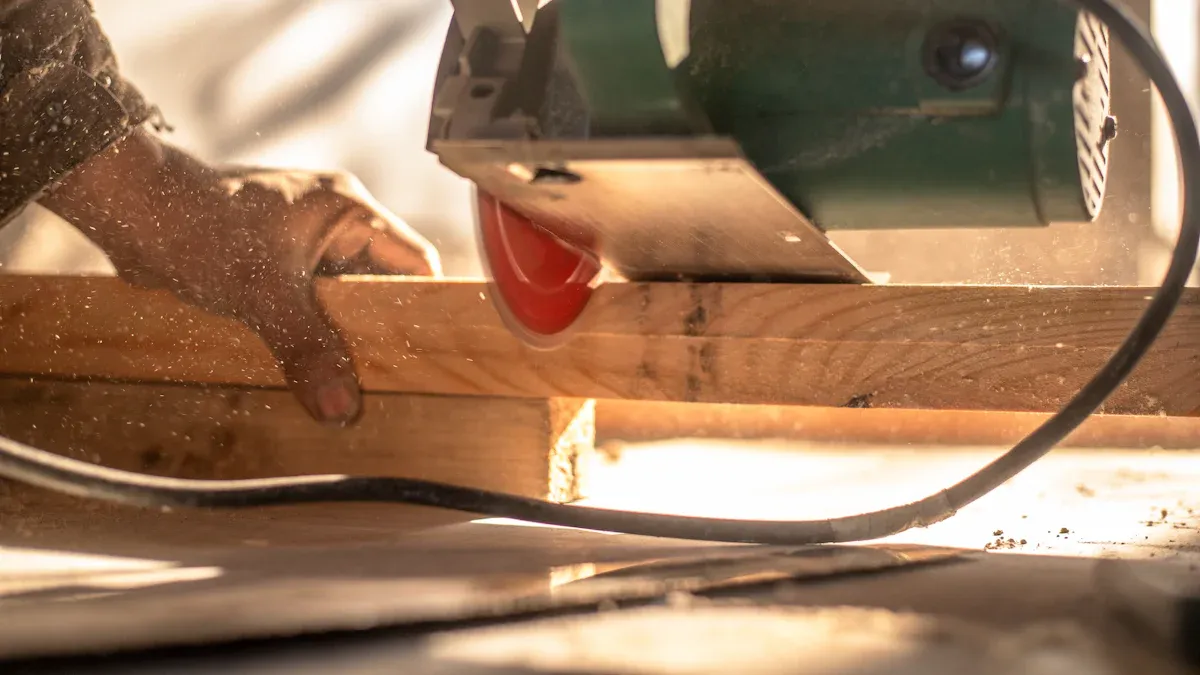
10 Power Tool Safety Rules: What You Should Never Do
Power tool safety starts with knowing what not to do. Never remove safety guards, bypass safety switches, operate damaged tools, or use power tools in wet conditions unless they are specifically designed for such environments. Avoid loose clothing and jewelry, keep your hands away from moving parts, and disconnect the power source before changing accessories or performing maintenance. Following these essential power tool safety rules can help prevent electric shocks, cuts, eye injuries, and other workplace accidents.
In this guide, we explain 10 common power tool hazards and practical safety precautions for using cordless drills, circular saws, angle grinders, and other electric tools.
What is never to be engaged when using power tools,you should always think about safety with power tools. Never turn off safety guards. Do not use the trigger lock. Never use power tools with one hand. Do not work in wet places. These actions make injuries more likely. Skipping safety features is dangerous. Bypassing interlocks can hurt you. Each year, about 400,000 people go to the emergency room for power tool accidents. Many people hurt their hands or arms. Electric saws cause a lot of these injuries. The table below lists common injuries:
| Type of Injury | Description |
|---|---|
| Electric shock | You can get burns or heart problems. You might fall from heights if shocked. |
| Eye injuries | Small pieces from tools can hurt your eyes badly. You could lose your sight. |
| Puncture wounds and lacerations | Nail guns and saws can cut or poke your skin. You may need stitches for these injuries. |
Always ask yourself what is never to be engaged when using power tools. Good safety habits and following instructions keep you safe.
Looking for reliable power tools with advanced safety features?
Contact us for factory-direct quotes, customized options, and bulk pricing.
Key Takeaways
- Always keep safety guards on power tools. They keep you safe from moving parts and flying debris.
- Never use power tools with one hand. Use both hands for better control and safety.
- Do not use power tools in wet places. Water makes electric shock and accidents more likely.
- Always unplug tools before changing parts or accessories. This stops accidental starts and injuries.
- Take off loose clothing and jewelry before using power tools. This helps stop them from getting caught in moving parts.
What You Should Never Do When Using Power Tools
Trigger Lock
Do not use the trigger lock while the tool is running. This can make you lose control. Serious accidents can happen. Sometimes, the trigger lock turns on by mistake. This happens if the tool twists or binds in your hand. For example:
- The trigger lock might turn on when you do not expect it. The tool keeps running even if you want it to stop.
- Your wrist can hurt or get injured if the tool twists and locks.
- If your hand slips, the lock can turn on and cause bad injuries.
Manufacturers say to use trigger locks only as they are meant to be used. Never use them while the tool is working. Always unplug the tool before you change parts or fix it. These safety tips help stop the tool from starting by accident and keep you safe.
Safety Guards
Never take off or break guards on power tools. Guards keep you safe from moving parts and flying pieces. If you remove them, you can get hurt badly. You could lose a finger or even die. Safety studies show that even skilled workers sometimes forget how dangerous it is. Even rare accidents can be very serious.
A worker got deep cuts after taking off the guard from an angle grinder. Flying pieces caused the injury. Always use guards the way they are made.
Guards stop you from touching dangerous parts and help you avoid accidents. The table below shows injuries that happen when guards are missing:
| Type of Injury | Description | Frequency/Impact |
|---|---|---|
| Puncture Wounds | Drilling into live wires or from tool bits. | Common with power drills. |
| Electrocution | Handling tools near live wires without guards. | High risk without guards. |
| Loose Clothing Injuries | Clothes get caught in moving parts. | Happens often with many tools. |
| Power Saw Injuries | Bad injuries or lost fingers from fast blades. | Tens of thousands each year. |
| Nail Gun Injuries | About 40,000 ER visits every year. | Some people die from these injuries. |
One-Handed Operation
Never use power tools with just one hand. Using only one hand makes it easy to get hurt. You cannot control the tool well. You cannot react fast to danger. Always hold power tools with both hands. Grip the insulated parts. This helps you stay alert and in control. Use each tool for its real job. Stay focused and use both hands to stop accidents.
Wet Conditions
Never use power tools in wet or rainy places. Water makes electric shock more likely. It can also break your tools. Wet floors make it easy to slip and fall. This can cause more injuries. Wet gloves or boots make the risk even higher. Water helps electricity move. Even a little shock can hurt your heart or burn you. Water and electricity are very dangerous together. Always keep your work area dry.
Bypassing Safety Interlocks
Never bypass safety interlock devices. These devices protect you from dangerous machines. If you skip them, you make things unsafe. Accidents are more likely. Some people skip interlocks to save time. This can cause bad injuries or death. Changing safety features can also cause legal trouble. If an accident happens, you or your company could get fined or sued. You could even face criminal charges. Always follow safety rules and never skip interlocks.
Loose Clothing and Jewelry
Loose clothes or jewelry can get stuck in power tools. This can cut off fingers or choke you. You can get very hurt. For example, a necklace or bracelet can pull your hand into the tool. Long hair can get caught and hurt your scalp. Always take off jewelry and fix loose clothes before using power tools. Wear tight clothes and tie back long hair. These tips help stop you from getting tangled and keep you safe.
- Take off all jewelry, like necklaces and bracelets.
- Fix loose clothes and button up shirts.
- Tie back long hair so it does not touch equipment.
Damaged Cords and Hoses
Never use power tools with broken cords or hoses. Wires that show or leaks can shock you, burn you, or even kill you. Every day, at least one worker dies from electrical problems at work. Broken cords are even more dangerous in wet places. Always check your tools before you use them. Replace any broken parts right away. This safety rule helps stop accidents and injuries.
Not Disconnecting Power
Always unplug power tools before you change parts or accessories. If you leave the tool plugged in, it could start by accident. This can hurt you badly. Experts say to unplug the tool when you are not using it, fixing it, or changing blades, bits, or cutters. This easy step stops the tool from turning on by mistake and keeps you safe.
| Source | Evidence |
|---|---|
| Master Your Machines | Always unplug power tools when not in use, before fixing, and when changing parts. |
| The Fabricator | Unplug the tool before adding or removing an accessory to stop it from starting by accident. |
| FIC Services | Always unplug power tools when not in use or changing accessories to stop accidents. |
Carrying Plugged-In Tools
Never carry plugged-in power tools with your finger on the switch. The tool can start by accident and hurt you. Always carry tools with your finger off the switch. Unplug them before you move them. This is a very important safety rule for anyone using power tools.
Tip: Always check that the tool is off and unplugged before you carry it. This easy habit stops many accidents.
Power tool safety and protective equipment
Basic personal protective equipment
You need to use proper protective equipment every time you work with power tools. PPE keeps you safe from many dangers. Safety guards and PPE work together to stop accidents before they happen. You should always wear the right gear for the job. Here are some of the most important PPE items for power tools:
- Safety glasses or goggles protect your eyes from flying debris.
- Hearing protection stops loud noises from damaging your ears.
- Dust masks or respirators keep dust and fumes out of your lungs.
- Safety footwear shields your feet from falling objects.
- Gloves protect your hands from cuts and scrapes.
- High-visibility clothing helps others see you in busy areas.
- Hard hats give your head protection from falling tools.
You should never skip PPE. Even one mistake can lead to serious injuries. Safety depends on your choices.
Guards and Shields
Safety guards play a key role in your protection. Guards cover moving parts and stop you from touching dangerous areas. You will find fixed guards, interlocking guards, and barrier guards on many power tools. These safety guards help prevent contact with pinch points, rotating parts, and flying chips. Shields also block sparks and metal pieces. When you use safety guards, you lower the risk of severe injuries. Never remove or bypass safety guards. Always check that guards are in place before you start work.
Tip: Guards and shields are your first line of defense against accidents.
Safe work practices
Good safety habits keep you safe every day. You should always keep your workspace clean. Clutter can cause accidents. Use the right tool for each job. Read the manual to understand your power tools and their safety features. Wear PPE every time. Inspect your tools before use. Tool maintenance practices help you find damage early. Never wear loose clothing or jewelry. Never use power tools in wet conditions. Never operate tools with one hand. Never use damaged tools. These safety rules protect you and others from injuries.
| Safe Work Practice | Why It Matters |
|---|---|
| Clean workspace | Reduces tripping and slipping hazards |
| Use right tool | Prevents misuse and accidents |
| Read manual | Helps you learn safety features |
| Wear PPE | Gives you full protection |
| Inspect tools | Finds problems before accidents |
| Tool maintenance practices | Keeps tools safe and working well |
You should always follow safety guards and tool maintenance practices. Skipping these steps puts you at risk. Safety is not optional. You protect yourself and your team by following every rule.
Guard and Manufacturer’s Guide
Guard maintenance
You always need guards on power tools. Guards stop you from touching moving parts. They also block flying debris. If you take off guards, you can get hurt. Broken guards do not protect you. Check guards before you use the tool. Clean guards often so they work well. Look for rust or broken spots on guards. Test guards after you fix or adjust them. Write down when you clean or fix guards. Tell someone if a guard is broken. This helps everyone stay safe. Safety lessons teach you how to find broken guards. You also learn to change them fast. Never use tools with broken guards.
- Clean guards to get rid of dust and dirt.
- Look at guards for broken or worn parts.
- Test guards to see if they work right.
- Write down all cleaning and repairs.
- Tell someone right away if a guard is broken.
Follow the instructions
Always follow the instructions from the manufacturer. These rules help you stay safe. Safety lessons show you how to read the manual. They teach you to use tools the right way. Never mess with safety features. Always wear safety glasses, gloves, dust masks, and hearing protection. Check tools for broken parts before you use them. Sharp blades and bits work better and are safer. Hold tools by the handle and unplug them when not using them. Keep your work area neat and steady. Wear safe clothes and do not wear loose things. Only use batteries that are allowed. Use clamps to hold things in place. Take breaks so you do not get tired. Safety lessons help you remember these steps.
- Read the manual for every tool.
- Wear safe clothes and no jewelry.
- Check tools for damage before you start.
- Only use batteries the manufacturer says are okay.
- Clamp things down and take breaks often.
Accident Prevention
Not following safety lessons and rules can cause accidents. Broken tools can shock you or start fires. Wet places make shocks more likely. Using tools with one hand is risky. Some rules say not to use tools in wet places or with broken parts. You must use ground fault interrupters with electric tools. Only use tools that are grounded or double-insulated. Never use AC-only tools with DC power. Keep battery packs away from metal things. Plug tools into a GFCI if you are in a wet place. Do not use or leave tools in wet areas. Hold tools by the insulated handle. Change broken cords right away. Pick tools that are easy to hold if you use them a lot. Take breaks to stop stress. Safety lessons teach you how to stop accidents.
| Accident Type | Cause | Result |
|---|---|---|
| Electrocution | Broken wires or wet places | Burns or heart problems |
| Explosions and Fires | Sparks near things that can burn | Bad injuries or lost property |
| Power Saw Injuries | No guards or broken blades | Cuts or lost fingers |
| Drill/Nail Gun Misfires | Not using safety features | Punctures or eye injuries |
Tip: Safety lessons and following special safety rules help you avoid accidents and keep everyone safe.
You help stop accidents when you use power tools. Always follow safety rules and do not take off guards. Never wear jewelry when using tools. Keep your work area clean and always wear ppe. Emergency training helps you know what to do fast. Training teaches you not to wear jewelry and how to act in emergencies. You should check your tools before you use them. Keep learning about safety and emergency steps. Training and emergency plans can save lives. Do not skip safety steps or forget to take off jewelry. The table below shows what safety experts say you should do:
| Key Takeaways | Description |
|---|---|
| Maintain your tools | Training and care keep tools safe to use. |
| Notify near misses or injuries | Emergency training helps you report accidents fast. |
| Take necessary precautions | Training teaches you to avoid jewelry and stay alert. |
| Use basic tool safety | Training helps stop accidents and keeps you safe. |
| Inspect tools before use | Training helps you find problems early. |
| Use the right tool for the job | Training shows you how to pick the right tool. |
| Always use guarding | Training reminds you to keep guards on tools. |
| Keep work area clear | Training helps you avoid mess and jewelry. |
| Use proper PPE | Training teaches you to wear ppe every time. |
| Disconnect tools when not in use | Training helps stop emergency accidents. |
- Wear safety glasses, gloves, and other ppe each time.
- Take off all jewelry before you start working.
- Get training on what to do in emergencies.
- Always follow safety steps and listen to your training.
Remember: Good training, no jewelry, and quick action in emergencies help keep you safe every day.
FAQ
What should you do if a power tool’s safety guard is missing?
You should never use a tool without its safety guard. Tell your supervisor or teacher right away. Wait until someone fixes or replaces the guard before you use the tool.
Can you wear gloves when using all power tools?
You should wear gloves for most tools. Do not wear gloves when using machines with spinning parts, like drills or saws. Gloves can get caught and pull your hand in.
Tip: Always check the tool’s manual for glove safety.
Why is it dangerous to use power tools in wet areas?
Water helps electricity move. You can get shocked or burned. Wet floors also make you slip. Always keep your work area dry and use tools made for wet places if needed.
What should you check before using a power tool?
- Look for damaged cords or plugs.
- Make sure guards are in place.
- Check that switches work.
- Read the manual if you are unsure.
Safety starts with a quick inspection every time.
Is it safe to use a trigger lock while working?
No, you should not use the trigger lock while the tool is running. You can lose control if something goes wrong. Only use the trigger lock when the tool is off and stored.
Need quality power tools for your projects or business?
Get in touch today for wholesale pricing and professional support.


